Medical Autoclaves Manufacturing:
Advanced Sterilization Solutions for Healthcare Safety
May 13, 2026
Medical autoclaves are critical sterilization devices used in hospitals, clinics, laboratories, dental centers, pharmaceutical facilities, and healthcare institutions. These machines use high-pressure steam to eliminate bacteria, viruses, fungi, and other harmful microorganisms from medical instruments and equipment.
The manufacturing of medical autoclaves requires advanced engineering, precision fabrication, high-quality materials, and strict adherence to healthcare safety standards. Modern autoclaves are designed to provide reliable sterilization performance, operational efficiency, user safety, and long-term durability.
In this blog, we explore the medical autoclave manufacturing process, types of autoclaves, materials used, key features, quality standards, and the latest trends in sterilization equipment manufacturing.
The manufacturing of medical autoclaves requires advanced engineering, precision fabrication, high-quality materials, and strict adherence to healthcare safety standards. Modern autoclaves are designed to provide reliable sterilization performance, operational efficiency, user safety, and long-term durability.
In this blog, we explore the medical autoclave manufacturing process, types of autoclaves, materials used, key features, quality standards, and the latest trends in sterilization equipment manufacturing.
1. Vertical Autoclaves
Vertical autoclaves are compact sterilization units commonly used in laboratories, clinics, and research centers.
2. Horizontal Autoclaves
Horizontal autoclaves are larger systems used in hospitals and industrial sterilization facilities for bulk sterilization.
3. Portable Autoclaves
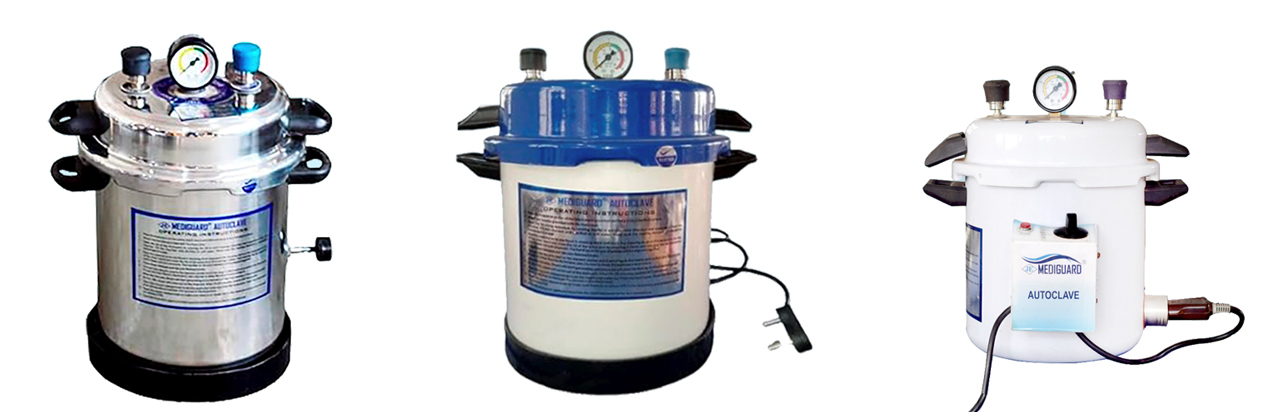
Portable autoclaves are lightweight and ideal for small clinics, field hospitals, and remote healthcare applications.
4. Dental Autoclaves
Dental autoclaves are specially designed for sterilizing dental instruments efficiently and safely.
5. Vacuum Autoclaves
Vacuum autoclaves use vacuum technology to remove air before sterilization, ensuring better steam penetration.
6. High-Pressure Steam Autoclaves
These systems use high-pressure saturated steam for effective sterilization of surgical instruments and medical tools.
7. Laboratory Autoclaves
Laboratory autoclaves are used for sterilizing glassware, culture media, laboratory waste, and research equipment.
Conclusion
Medical autoclaves manufacturing is a crucial sector supporting sterilization and infection control in healthcare facilities. High-quality autoclaves ensure safe, reliable, and efficient sterilization of medical instruments and laboratory equipment. With continuous innovation and advanced engineering, medical autoclave manufacturers are contributing significantly to safer healthcare environments, improved hygiene standards, and better patient care worldwide.
