Stools and Chairs Manufacturing:
Combining Comfort, Durability, and Modern Design
May 13, 2026
Stools and chairs are essential furniture products used across homes, offices, hospitals, laboratories, educational institutions, restaurants, and industrial environments. From ergonomic office chairs to durable industrial stools, the manufacturing process requires precision engineering, quality materials, modern design techniques, and strict quality control.
The furniture manufacturing industry continues to evolve with growing demand for comfort, durability, aesthetics, and functionality. Modern stools and chairs are designed not only for seating but also to enhance productivity, posture, mobility, and interior appearance.
In this blog, we explore the complete manufacturing process of stools and chairs, materials used, product types, key features, quality standards, and the latest trends shaping the furniture industry.
The furniture manufacturing industry continues to evolve with growing demand for comfort, durability, aesthetics, and functionality. Modern stools and chairs are designed not only for seating but also to enhance productivity, posture, mobility, and interior appearance.
In this blog, we explore the complete manufacturing process of stools and chairs, materials used, product types, key features, quality standards, and the latest trends shaping the furniture industry.
1. Office Chairs
Office chairs are designed for long working hours and ergonomic support. Features often include adjustable height, lumbar support, armrests, and swivel mechanisms.
2. Hospital Stools and Chairs
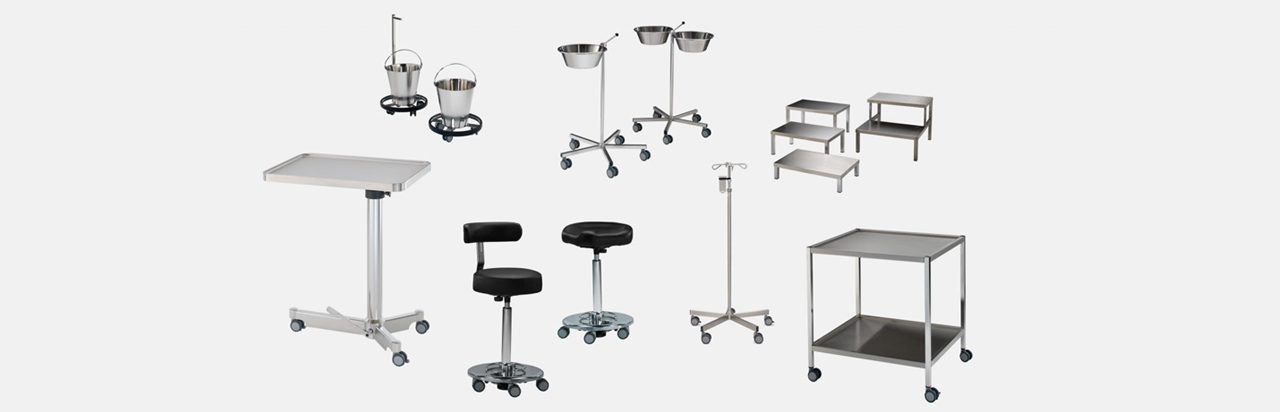
Healthcare seating furniture is designed for hygiene, durability, and mobility. Medical stools are commonly used in clinics, operation theaters, and laboratories.
3. Laboratory Stools
Laboratory stools are designed with adjustable heights, anti-static materials, and chemical-resistant surfaces.
4. Bar Stools
Bar stools are commonly used in restaurants, cafes, hotels, and home interiors. They are available in modern, wooden, metal, and upholstered designs.
5. Industrial Stools
Industrial stools are built for heavy-duty environments such as factories and workshops. They focus on strength, durability, and resistance to wear.
6. Educational Chairs
Schools and colleges use ergonomic chairs designed for student comfort and long-term use.
7. Folding Chairs and Portable Stools
These lightweight seating solutions are ideal for events, conferences, and temporary seating arrangements.
Conclusion
Stools and chairs manufacturing is an essential industry supporting healthcare, laboratories, offices, and industrial workplaces. High-quality seating products improve comfort, operational efficiency, and user well-being in demanding professional environments. With continuous innovation and precision manufacturing, modern stools and chairs manufacturers are contributing to healthier, more productive, and more comfortable workplaces worldwide.
