Suction Machine Manufacturing:
Essential Medical Vacuum Systems for Modern Healthcare
May 13, 2026
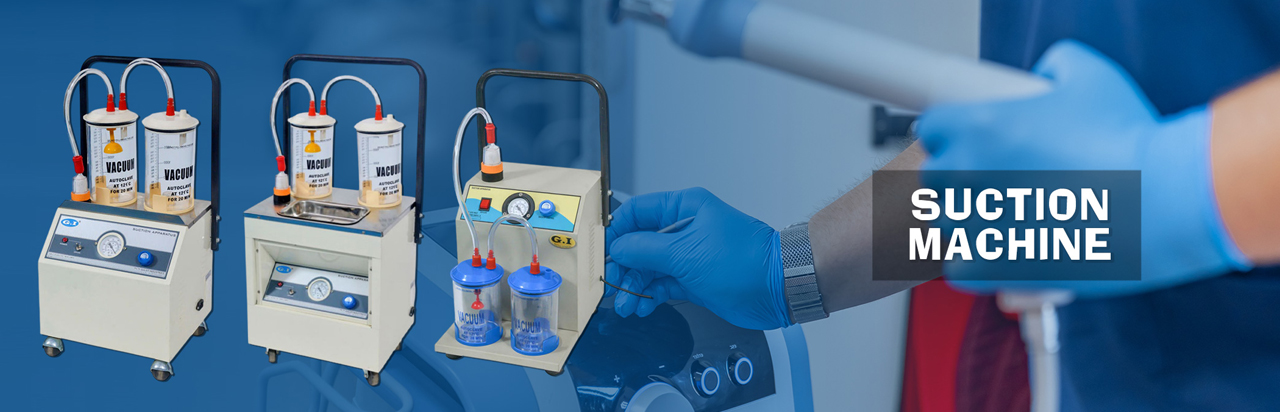
Suction machines, also known as aspirators or medical suction units, are vital medical devices used in hospitals, clinics, ambulances, operation theaters, and emergency care units. These machines are designed to remove fluids, mucus, blood, and secretions from a patient's airway or surgical area to ensure clear breathing passages and maintain a clean surgical field.
The manufacturing of suction machines requires precision engineering, advanced vacuum technology, durable materials, and strict adherence to medical safety standards. Modern suction machines are designed for reliable performance, portability, low noise operation, and efficient fluid management.
In this blog, we explore the suction machine manufacturing process, types of suction machines, materials used, essential features, quality standards, and the latest trends in medical suction equipment manufacturing.
The manufacturing of suction machines requires precision engineering, advanced vacuum technology, durable materials, and strict adherence to medical safety standards. Modern suction machines are designed for reliable performance, portability, low noise operation, and efficient fluid management.
In this blog, we explore the suction machine manufacturing process, types of suction machines, materials used, essential features, quality standards, and the latest trends in medical suction equipment manufacturing.
1. Portable Suction Machines
Portable suction units are lightweight and compact, ideal for ambulances, home care, and emergency use.
2. Electric Suction Machines
Electric suction machines provide continuous vacuum pressure and are commonly used in hospitals and clinics.
3. Manual Suction Machines
Manual suction units are operated without electricity and are used in emergency or field conditions.
4. Surgical Suction Machines
These high-capacity machines are used in operation theaters for surgical fluid removal.
5. Dental Suction Machines
Dental suction systems help remove saliva, blood, and debris during dental procedures.
6. Centralized Vacuum Suction Systems
Large hospitals use centralized vacuum systems connected to multiple patient care areas.
7. Neonatal and Pediatric Suction Machines
Specialized suction devices are designed for infants and pediatric patient care.
Conclusion
Suction machine manufacturing is a vital sector supporting emergency care, surgical procedures, and respiratory management in healthcare facilities. High-quality suction machines improve patient safety, medical efficiency, and critical care support across hospitals and clinics. With continuous innovation and advanced engineering, suction machine manufacturers are contributing significantly to modern healthcare infrastructure and life-saving medical care worldwide.
